Sign Up Process
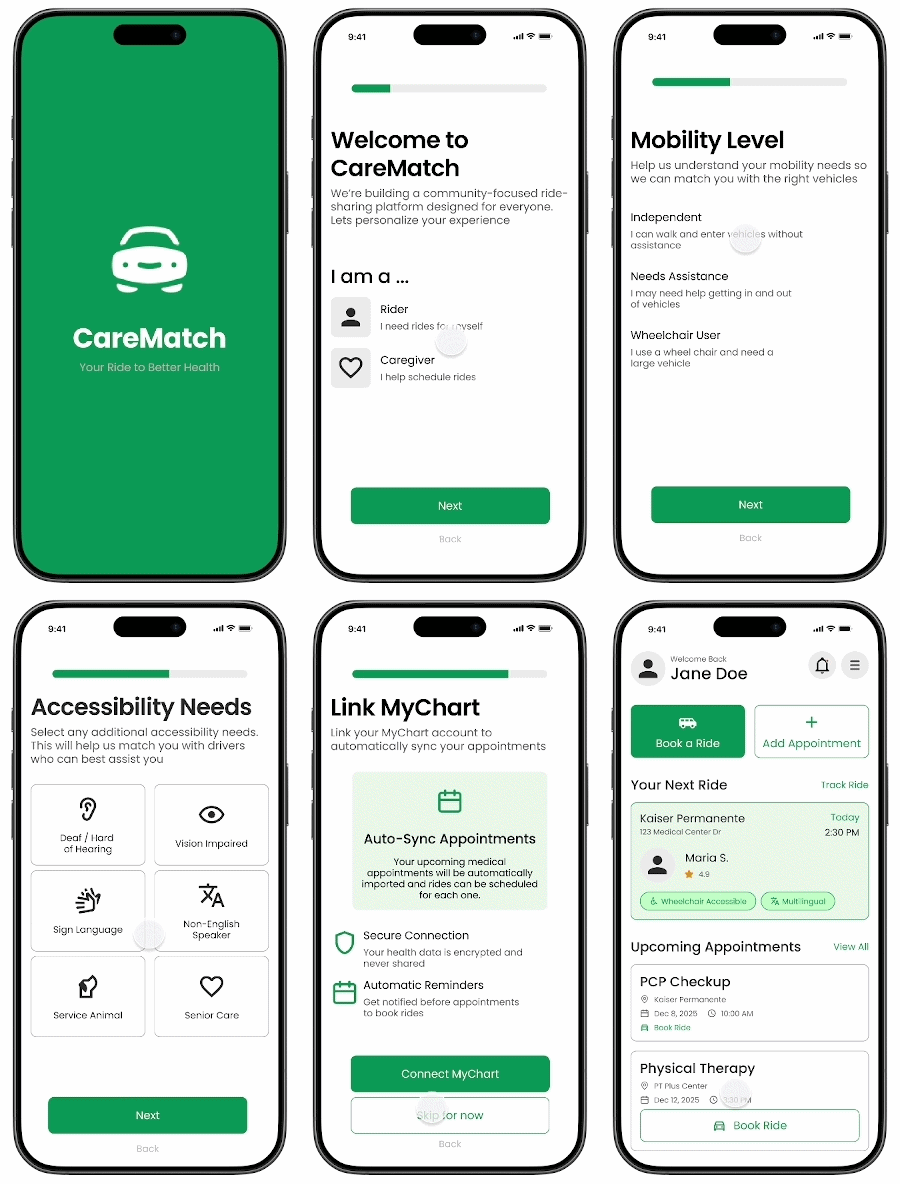
Sign up pages walk users into creating a personalized experience by allowing them to choose their own needs.

passion project
designed 2025
Context
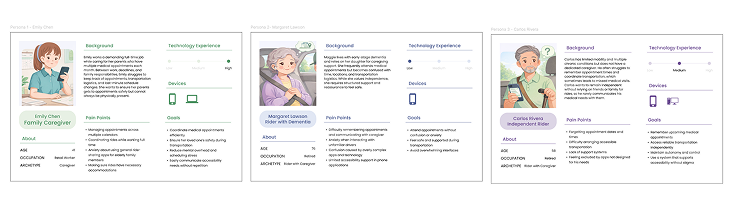
My family often struggled to coordinate who would take my grandmother to medical appointments. Due to work schedules, availability, and safety concerns, traditional ride-sharing services like Uber felt unreliable and risky, especially given her age and accessibility needs.
Problem
Existing ride-sharing platforms are optimized for speed, not care. They do not support medical context or accessibility needs, lack trusted caregiver involvement, and treat accessibility as an edge case instead of a core feature.
Caregivers are left juggling calendars, texts, and logistics while riders lose autonomy and safety.
Solution Overview
Prototype
Sign up pages walk users into creating a personalized experience by allowing them to choose their own needs.
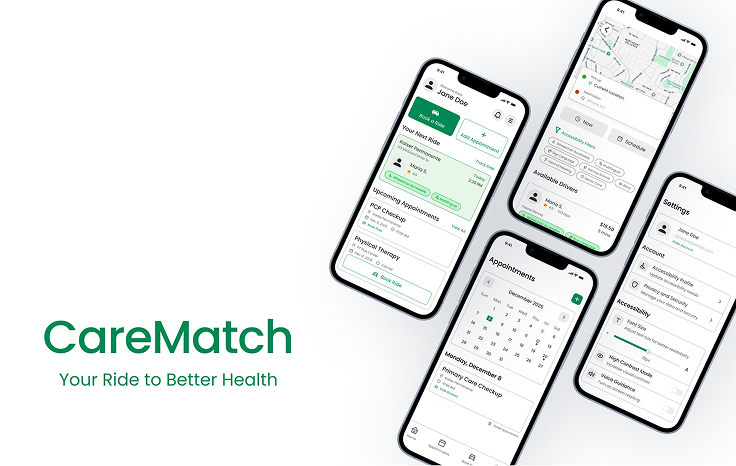
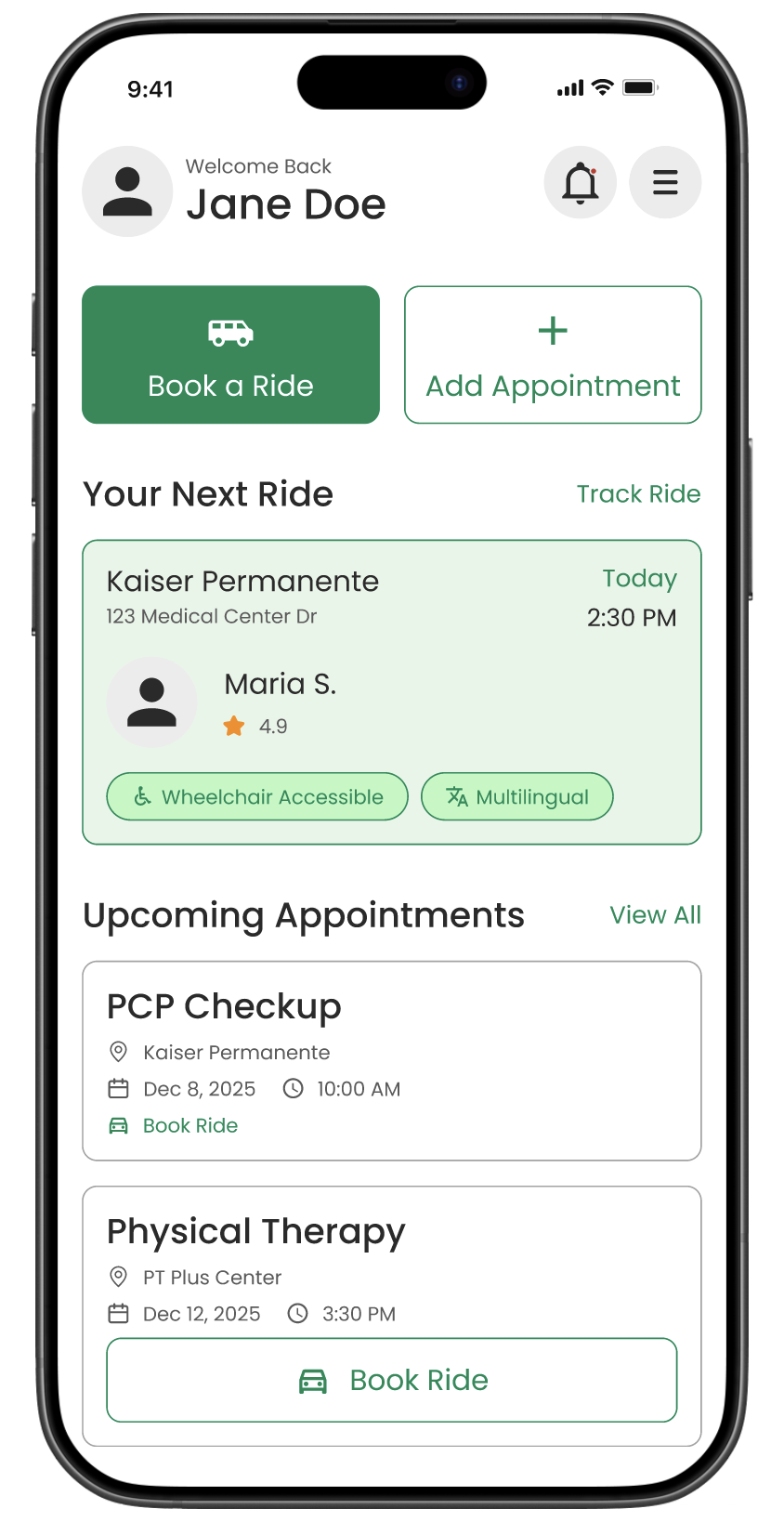
The home page keeps appointments, ride status, and core actions visible and predictable.
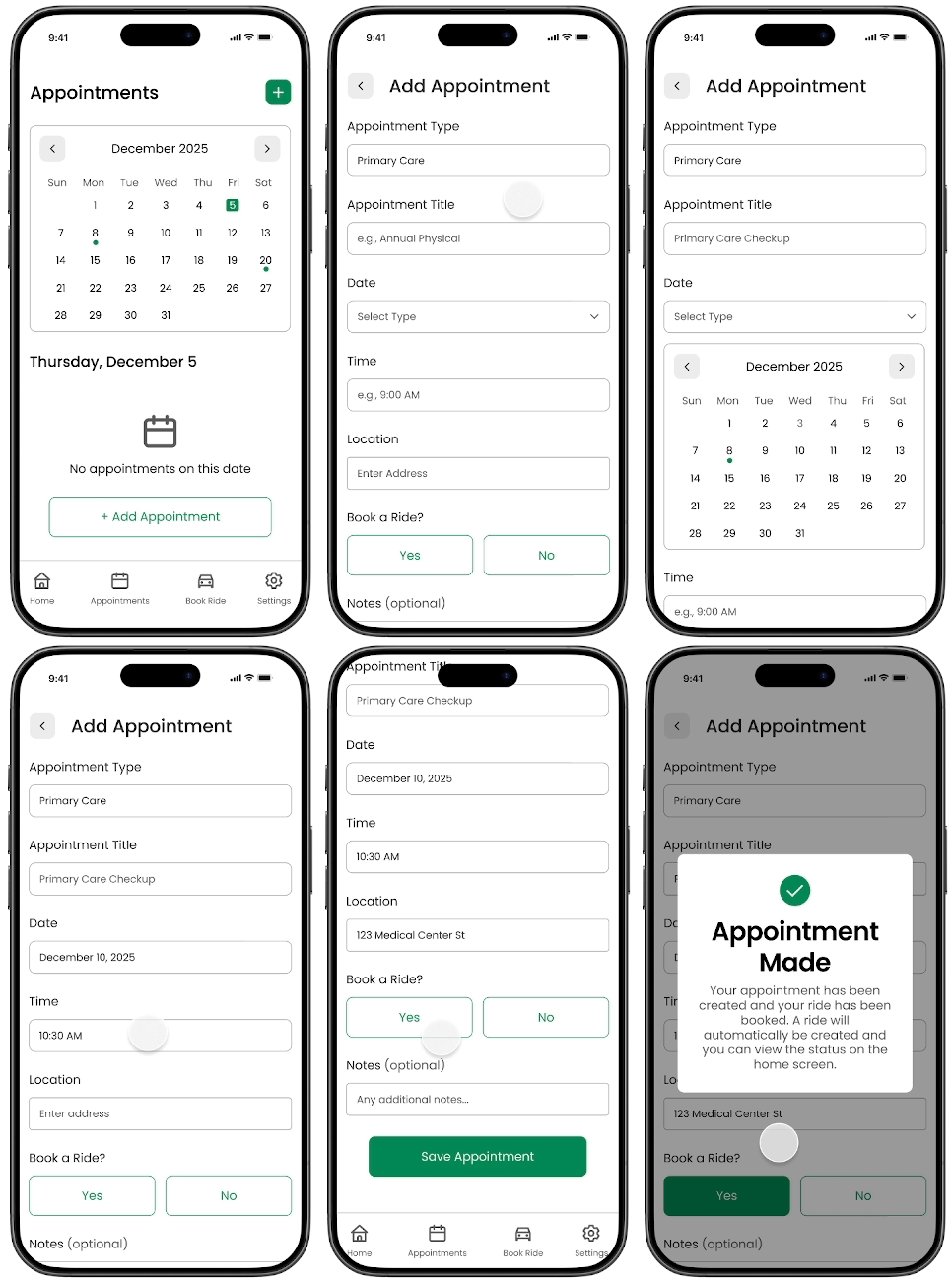
Appointments can be viewed and created through the built-in calendar, then synced across rider and caregiver experiences.
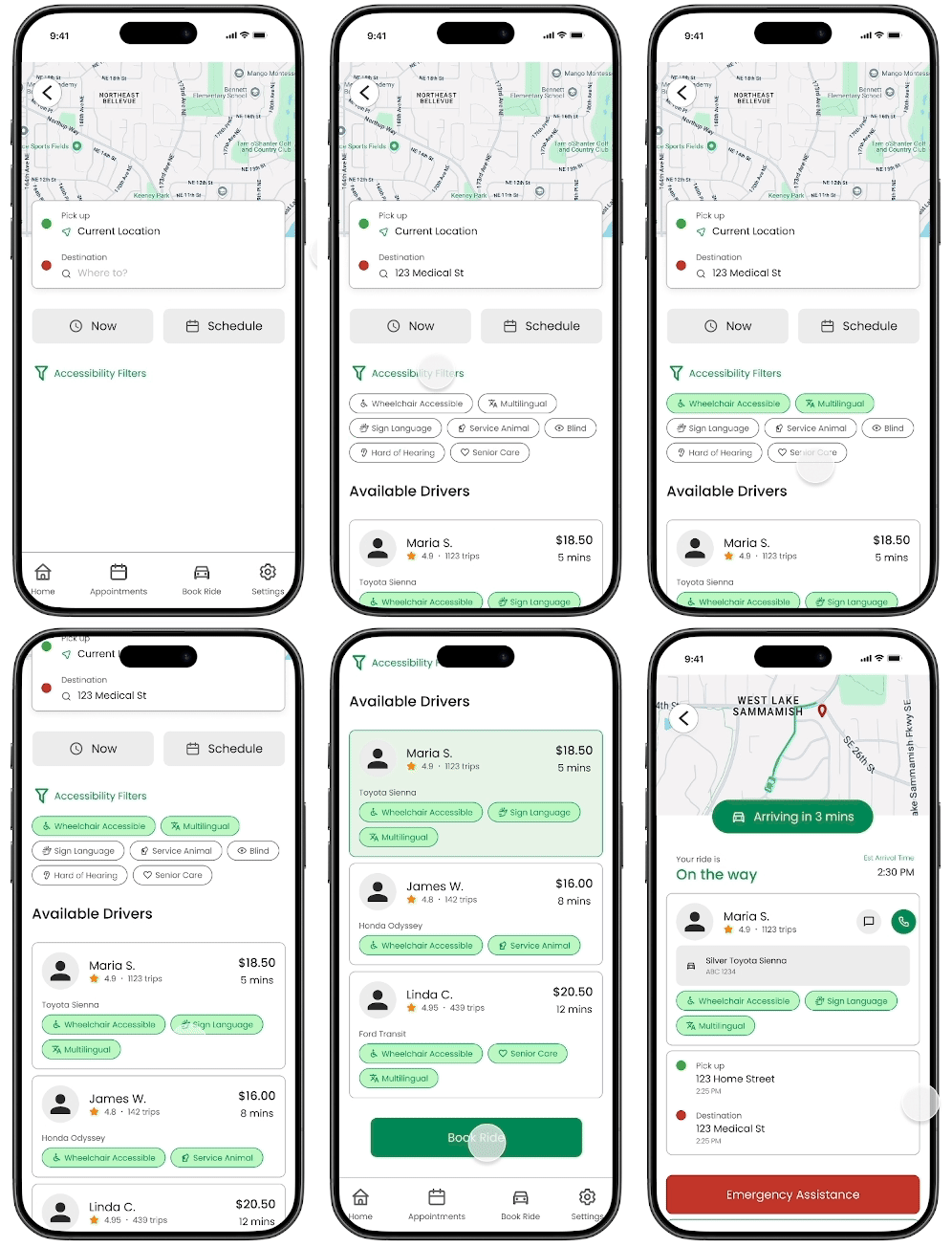
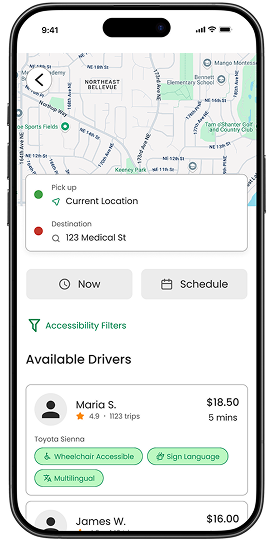
Users can filter rides by medical need, pre-book ahead of time, and track rides in real time to bridge transportation and healthcare.
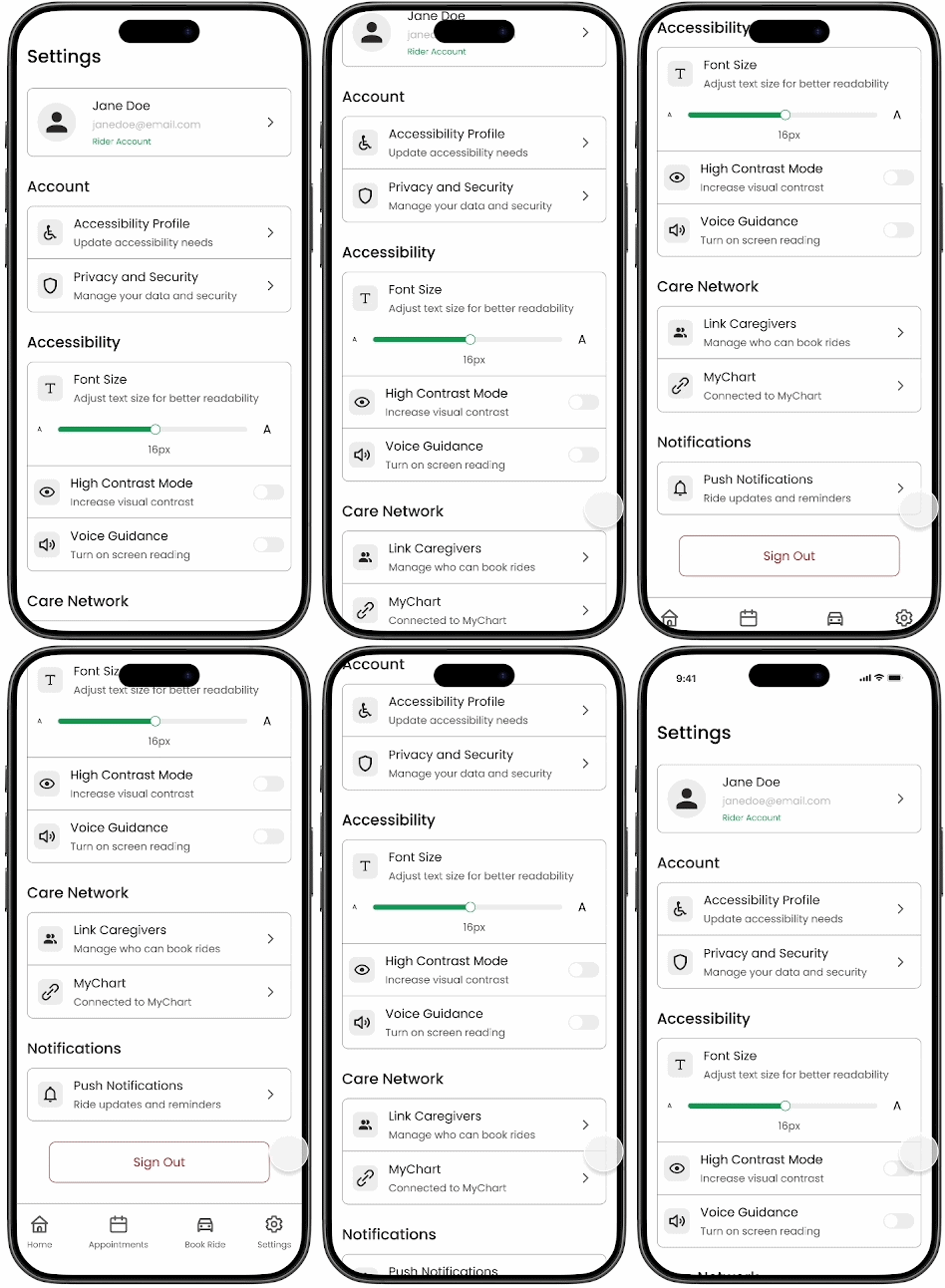
Accessibility settings provide a more personalized experience through features such as larger text and screen-reader support.
Design System
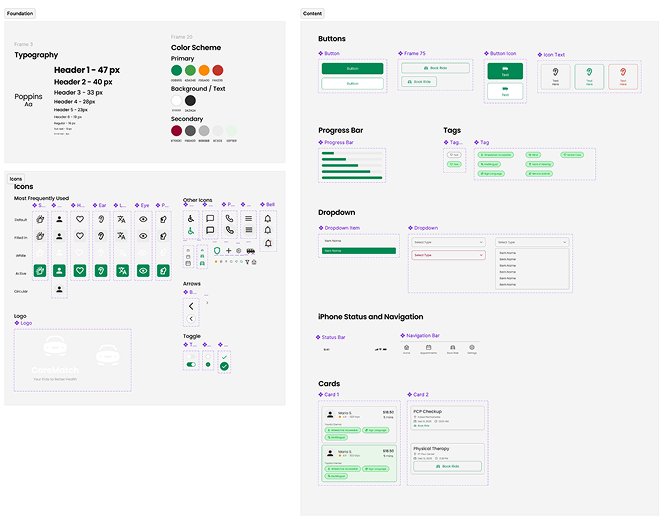
Components were organized by type, including cards, inputs, and overlays, so engineers could find and implement them quickly.
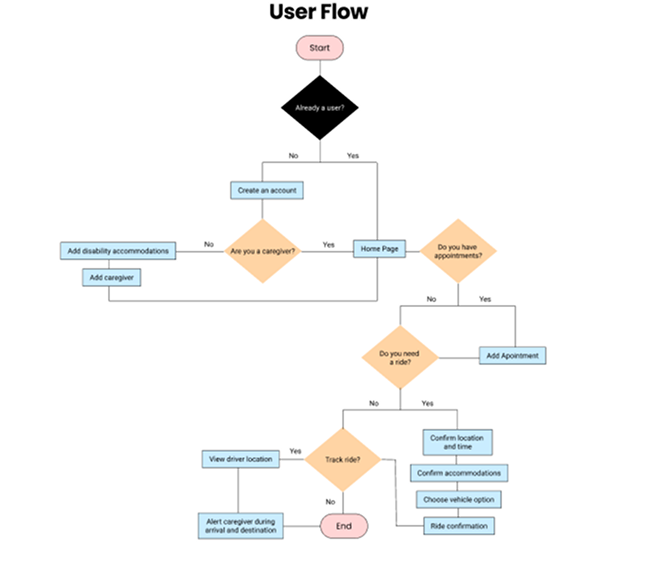
User Flow
This flow minimizes cognitive load and mirrors real-world caregiving behavior.
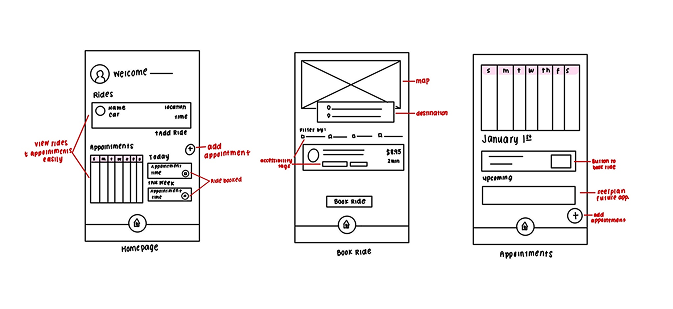
Initial Ideas
The first pass focused on validating the concept through wireframes. It was later rebuilt as a higher-fidelity product experience with refined flows, clearer accessibility support, and a stronger dual-user system.
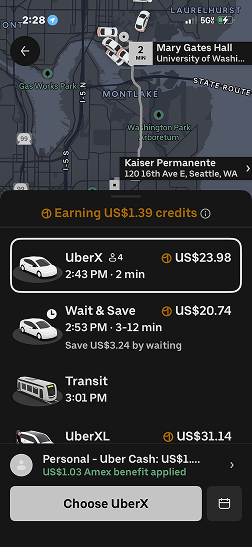
Jakob's Law
By leveraging Jakob's Law, users do not need to learn how to use CareMatch, only why it feels safer.
Reflections
Designing CareMatch required prioritizing clarity, predictability, and low cognitive load for elderly, disabled, and cognitively impaired users. Supporting real caregiving workflows meant balancing caregiver control with rider autonomy through structured yet flexible flows.
Next Steps
Future iterations should validate the product with elderly and disabled users, test caregiver workflows in real-world scheduling scenarios, improve driver trust and verification, and explore partnerships with clinics and healthcare providers.